7 Photography Mistakes That Make Your Clinic Website Look Unprofessional
Key Takeaways
- Stock photos are the #1 credibility killer on clinic websites
- Inconsistent team headshots signal disorganisation to patients
- Professional lighting transforms how patients perceive your clinic
- Before/after photography requires standardised protocols for compliance
- Update website photography annually or whenever significant changes occur
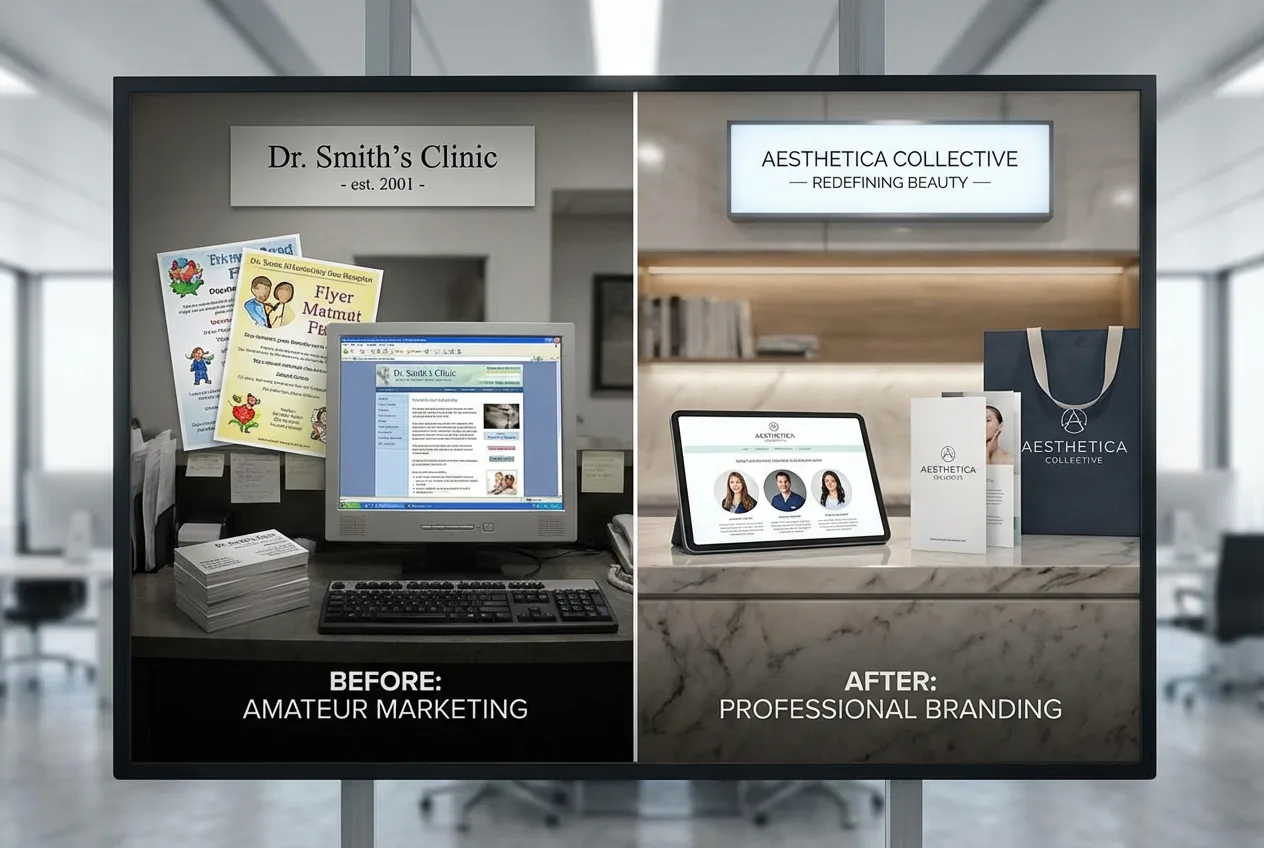
Your clinic website is often the first — and sometimes only — chance to make a professional impression on potential patients. Yet many clinics unknowingly sabotage their online credibility with common photography mistakes. If your clinic website looks unprofessional, you're losing patients to competitors who've invested in their visual presence.
Mistake #1: Using Stock Photography
This is the most common and most damaging mistake. Stock photos of models in lab coats, generic medical equipment, and sterile environments appear on thousands of clinic websites. Patients recognise them instantly, and they signal one thing: this clinic hasn't invested in showing you their actual practice. Every stock image on your website is a missed opportunity to build authentic trust.
The fix: Replace all stock images with professional photography of your actual clinic, team, and facilities. A half-day professional shoot can provide enough imagery for your entire website.
Mistake #2: Inconsistent Team Headshots
Your "Meet the Team" page features Dr. Smith in a formal studio portrait, Dr. Jones in a cropped holiday photo, and Nurse Williams in a selfie. This inconsistency looks chaotic and signals disorganisation — not qualities patients want in a healthcare provider.
The fix: Book one session where all team members are photographed with identical lighting, background, and style. This creates a cohesive, professional team page that patients trust.
Mistake #3: Poor Lighting in Clinic Photos
Harsh fluorescent lighting makes treatment rooms look cold and clinical in the worst way. Dim, underexposed photos make spaces feel unwelcoming. Most clinic photos taken on smartphones suffer from one or both of these issues, making even beautiful spaces look uninviting.
The fix: Professional photographers use supplementary lighting to create warm, flattering imagery that makes your clinic look welcoming while maintaining a clinical feel. The right lighting transforms how patients perceive your space.
Mistake #4: Cluttered Backgrounds
Medical equipment, boxes of supplies, personal items on desks, notices pinned to walls — cluttered backgrounds in clinic photos communicate disorder. Every element in frame should either serve a purpose or be removed before shooting.
The fix: Professional pre-shoot preparation includes decluttering, styling, and strategic prop placement. A good photographer arrives early to prepare the space before capturing a single image.
Mistake #5: Before/After Photos with Inconsistent Standards
Before/after photos shot with different lighting, angles, or cameras are clinically inaccurate and potentially misleading. They also violate ASA advertising guidelines and can expose your clinic to regulatory action.
The fix: Use standardised before/after photography protocols — identical camera position, lighting, focal length, and colour profile for every case. This ensures accurate, compliant, and persuasive transformation content.
Mistake #6: No Video Content
In 2026, a clinic website without video feels incomplete. Patients expect to see walkthrough tours, practitioner introductions, and treatment explanations. A website with only static images misses the opportunity to build the deeper trust that video provides.
The fix: Start with three essential videos: a 60-second clinic walkthrough, a 90-second lead practitioner introduction, and one treatment explainer. These can be produced in a single half-day shoot.
Mistake #7: Outdated Photography
If your website photos show a reception area you renovated two years ago, team members who've since left, or equipment you've upgraded, patients arrive expecting one thing and find another. This disconnect erodes trust from the very first visit.
The fix: Update your website photography annually, or whenever significant changes occur. Quarterly photography retainers ensure your content stays current and fresh.
The Solution: Professional Clinic Photography
Every mistake on this list has the same root cause: underinvestment in professional visual content. A single professional photography session can fix every issue, providing your clinic with a complete image library that builds trust, attracts patients, and reflects the true quality of your practice.
In Focus by Zain specialises in clinic photography across the UK. We understand the unique visual requirements of healthcare websites and create content that converts visitors into patients. Book a free consultation to audit your clinic's visual content.
Frequently Asked Questions
How can I tell if my clinic website photos are hurting conversions?
Check your bounce rate on pages with photos, compare your imagery to top-ranking competitors, and ask new patients what they thought of your website. If your bounce rate is above 60% or patients mention the website looked 'dated', your photography needs upgrading.
How much does it cost to fix clinic website photography?
A comprehensive half-day shoot covering all website needs starts from £495. This provides enough professional imagery to replace stock photos, update team headshots, and refresh your clinic environment photography.
How often should clinic website photos be updated?
We recommend a full refresh annually, with quarterly updates for team changes, new equipment, or renovations. Monthly retainers starting from £595/month keep content perpetually fresh.
Ready to Transform Your Visual Content?
Book a free consultation and get a custom content strategy for your business.
Book Free ConsultationRelated Articles
Related: Clinic Photography Services · View Pricing · More Articles